Search This Blog

Friday, December 29, 2023

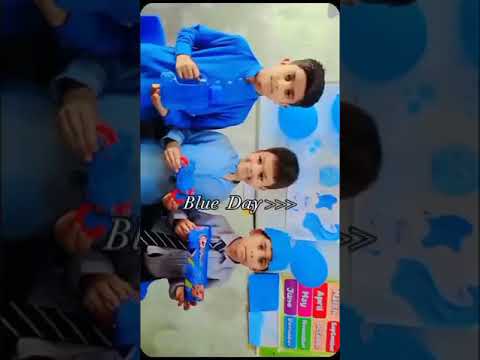
Blue Day Celebration in schools

A "Blue Day" celebration in a school can be a fun and engaging event where students and teachers come together to celebrate the color blue. Here are some ideas to make your blue day celebration memorable:

  1. Wear Blue Attire:

    • Encourage students, teachers, and staff to dress in blue from head to toe. This includes blue clothes, accessories, and even face paint or temporary tattoos.
  2. Blue Decorations:

    • Decorate the school premises with blue balloons, streamers, and banners. You can also create blue-themed artwork to display around the school.
  3. Blue Snacks:

    • Arrange for snacks and treats that are predominantly blue. This could include blueberry muffins, blue Jello, blue-colored drinks, or even a blue-themed cake.
  4. Blue Arts and Crafts:

    • Set up art and craft stations where students can create blue-themed artworks. Provide blue paper, paints, markers, and other craft supplies.
  5. Blue Storytime:

    • Have a special storytime session where teachers or guest readers read books with blue covers or stories that prominently feature the color blue.
  6. Blue Music and Dance:

    • Play music with "blue" in the title or songs that have a blue theme. Organize a dance party with students dancing to their favorite blue-themed tunes.
  7. Blue Science Experiments:

    • Conduct simple science experiments with a blue twist. For example, create blue slime, mix blue-colored liquids, or explore the concept of color mixing using blue.
  8. Blue Photo Booth:

    • Set up a photo booth with blue-themed props and backgrounds. Students and staff can take pictures to remember the day.
  9. Blue Games and Activities:

    • Organize games and activities that involve the color blue. This could include a blue-themed scavenger hunt, a blue balloon popping contest, or a blue relay race.
  10. Blue Appreciation Wall:

    • Set up a large bulletin board as a Blue Appreciation Wall. Students can contribute drawings, notes, or poems related to the color blue.
  11. Blue Awards or Certificates:

    • Acknowledge students and teachers who have made notable contributions to the Blue Day celebration with special blue-themed awards or certificates.
  12. Blue Classroom Competitions:

    • Hold classroom competitions for the best blue-themed artwork, poetry, or decorations. This encourages creative expression and friendly competition.

Remember to involve the entire school community and make sure that the activities are age-appropriate. Blue Day celebrations are not only entertaining but can also promote a sense of community and school spirit.

Muhammad Yahya Achievement Making Green Grass

English alphabets through activity

Teaching the English language alphabet through activities:


Certainly! Teaching the English language alphabet through activities can make the learning process more engaging and memorable for learners. Here are some activity ideas:

  1. Alphabet Scavenger Hunt:

    • Hide alphabet cards or objects representing each letter around the room or outdoors.
    • Ask the learners to find the items and match them to the corresponding letters.
  2. Alphabet Art:

    • Assign each student a letter and ask them to create a piece of art that represents that letter.
    • For example, for the letter 'A,' they might draw an apple.
  3. Letter Bingo:

    • Create Bingo cards with letters instead of numbers.
    • Call out the names of the letters, and students can mark the corresponding letters on their cards.
  4. Alphabet Song and Dance:

    • Teach the alphabet song and add movement or dance steps for each letter.
    • This helps in associating the letters with physical actions.
  5. Alphabet Storytime:

    • Choose a book where each page focuses on a specific letter.
    • Read the story aloud, emphasizing the letter sounds and encouraging students to identify the letters.
  6. Letter Sorting:

    • Provide a mix of magnetic letters or letter cards.
    • Ask students to sort the letters into different categories, such as vowels and consonants.
  7. Letter Building:

    • Use building blocks or other materials to allow students to physically construct each letter.
    • This helps reinforce the shapes of the letters.
  8. Outdoor Chalk Alphabet:

    • If you have access to outdoor space, let students use chalk to write the alphabet on the pavement.
    • This combines physical activity with letter recognition.
  9. Letter Puzzles:

    • Create or provide alphabet puzzles where students have to match the letters to complete a picture or word.
  10. Letter Relay Race:

    • Organize a relay race where each team has to find and bring back an object that starts with a specific letter.

Activity Base Learning for Kids


It seems like there might be a slight misunderstanding in your term "activity base learning." It's possible that you meant "activity-based learning" or "active learning." Let me provide information on both possibilities:

  1. Activity-Based Learning:

    • Activity-based learning is an instructional approach that engages learners in hands-on, interactive activities to promote learning.
    • Instead of passively receiving information, students actively participate in activities such as experiments, projects, discussions, and problem-solving.
    • This approach is often used to enhance understanding, retention, and application of knowledge.
  2. Active Learning:

    • Active learning is a broader concept that refers to any learning strategy that actively engages students in the learning process.
    • This can include discussions, group work, case studies, role-playing, debates, and other interactive methods.
    • The goal of active learning is to move beyond traditional passive learning methods (like lectures) and encourage students to think critically, analyze information, and apply concepts actively.

Thursday, December 28, 2023

How much Homework is recommended for kids


The amount of homework recommended for kids can vary based on factors such as age, grade level, and individual needs. Educational experts and organizations often provide general guidelines, but it's important to recognize that there is no one-size-fits-all answer, and what works for one child may not work for another.

Here are some general recommendations from educational organizations like the National Education Association (NEA) and the National Parent Teacher Association (PTA):

  1. Elementary School (Grades K-5):

    • Kindergarten to Grade 2: 10-20 minutes per day.
    • Grades 3-5: 30-60 minutes per day.
  2. Middle School (Grades 6-8):

    • 60-90 minutes per day.
  3. High School (Grades 9-12):

    • 1.5 to 2.5 hours per day.

These recommendations are broad averages, and it's crucial to consider individual differences. Some children may require more time, while others may need less. It's also important to consider the quality of the homework and whether it aligns with educational goals.

Here are some additional tips:

  • Balance: Homework should be balanced with other activities, including extracurricular activities, family time, and free play. Excessive homework can lead to stress and burnout.

  • Quality over Quantity: The focus should be on the quality of the assignments rather than the quantity. Homework should reinforce learning and provide an opportunity for independent practice.

  • Individual Needs: Recognize that each child is unique. Some may need more time for homework, while others may grasp concepts quickly and need less reinforcement.

  • Communication: Teachers, parents, and students should communicate regularly to ensure that the workload is reasonable and manageable.

It's important for parents and educators to collaborate and be flexible in adjusting homework expectations based on the needs and abilities of the students. Ultimately, the goal should be to support learning, foster a positive attitude towards education, and promote a healthy balance between academic and non-academic activities.

blue day